
Viral Doesn't Mean It Will Sell: How Buyers Should Evaluate Trending Products
Everyone is suddenly talking about something.
Videos are everywhere.
Comments keep appearing.
People are sharing it with friends.
Does that mean you should immediately source a similar product and place a large order?
Not necessarily.
Sometimes people buy because they genuinely want the product.
Sometimes they buy because they are curious.
Sometimes they simply want to understand why everyone else is talking about it.
Those are very different types of demand.
For buyers sourcing products from China, this distinction matters.
A viral product can create a real business opportunity.
But viral attention can also disappear much faster than inventory.
The key question is not:
“Is everyone talking about it?”
It is:
“Why are people talking about it—and will that attention still exist when my products arrive?”
What Can Buyers Learn From a Viral Cultural Moment?
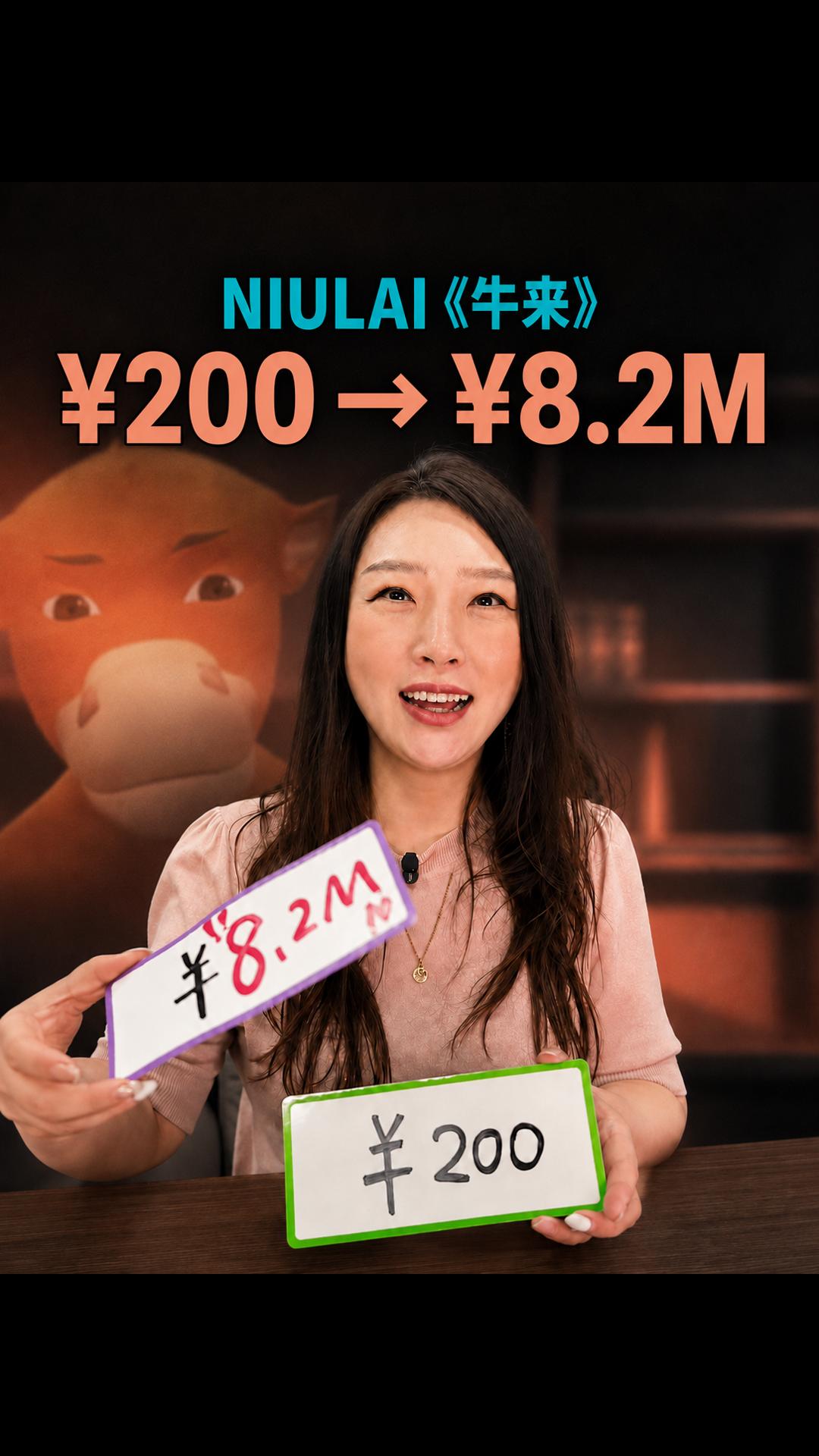
A useful recent example is the Chinese animated film Niu Lai.
The film became widely discussed online after initially receiving very limited attention.
Much of the later interest was driven by curiosity, memes, discussion around its unusual production story, and people wanting to see for themselves what everyone online was talking about.
That created a powerful attention loop:
People discuss it → More people become curious → More people experience it → More people discuss it
For marketers, this is fascinating.
For product buyers, it also contains an important warning.
Attention and long-term demand are not the same thing.
Why Do People Buy Viral Products?
When a product goes viral, customers may purchase it for several different reasons.
1. Genuine Product Need
The product solves a real problem.
Customers would probably continue buying it even without social-media attention.
This is the strongest type of demand.
2. Novelty
The product feels new or unusual.
Customers want to experience something they have not seen before.
Novelty can generate strong short-term demand.
3. Curiosity
People want to understand:
“Why is everyone talking about this?”
This can create purchases even when the product itself is not obviously useful.
4. Social Participation
Sometimes buying becomes part of participating in an online conversation.
Customers want to:
Post about it
Review it
Make reaction videos
Share it with friends
Join the trend
5. Humor or Meme Value
Some products become popular because they are:
Strange
Funny
Unexpected
Visually unusual
Easy to turn into content
This can create huge attention.
But that attention may have a very short commercial life.
Viral Attention Is Not the Same as Product-Market Fit
Product-market fit asks:
Does this product genuinely match customer needs?
Viral attention asks:
Are people paying attention right now?
The two can overlap.
But they do not always.
For example, imagine a strange kitchen gadget suddenly receives millions of views.
People may comment:
“I need this.”
But some of those comments may actually mean:
“This is hilarious.”
Others may mean:
“I want to send this video to my friend.”
Others may simply be watching because the product is strange.
None of those actions automatically guarantee repeatable purchasing demand.
Views Are Not Orders
This is one of the most important lessons for ecommerce buyers.
A video may receive:
1 million views
50,000 likes
10,000 comments
but those numbers do not directly tell you:
How many people purchased
What price they paid
Whether they returned the product
Whether demand continued
Whether customers reordered
Whether sellers made a profit
Social-media engagement measures attention.
It does not automatically measure commercial success.
Comments Can Be Misleading
Imagine the comments below a viral product video:
“I NEED THIS.”
“Where can I buy it?”
“This is crazy.”
“Who invented this?”
“Sending this to my friend.”
At first glance, this looks like powerful demand.
But these comments represent different intentions.
Only some may convert into actual purchases.
Before sourcing large quantities, buyers should look for stronger demand signals.
What Are Better Demand Signals?
Useful signals may include:
Actual sales
Repeated sales over time
Multiple sellers successfully offering the product
Customer reviews
Reorders
Stable search interest
Buyers requesting restocks
Continued demand after the initial viral spike
No single signal is perfect.
But several signals together provide a more useful picture than social-media views alone.
Ask Why the Product Went Viral
This may be the most important question.
There is a major difference between:
Viral Because It Solves a Problem
Example:
A storage product demonstrates a surprisingly useful space-saving function.
People share it because:
“This would actually help me.”
and:
Viral Because It Is Strange
Example:
A product receives attention because people cannot believe it exists.
People share it because:
“You have to see this.”
Both can generate sales.
But the second type often carries more trend risk.
Curiosity Can Sell—But It May Not Last
Curiosity is commercially powerful.
People frequently spend money simply because they want to experience something themselves.
This can happen with:
Strange products
Viral foods
Novel gadgets
Meme products
Unusual designs
Limited editions
But curiosity has a natural weakness:
Once people understand the joke or novelty, the reason to purchase may disappear.
That is why buyers should be cautious about building large inventory positions around curiosity alone.
Ask: Will Customers Buy It Without the Viral Video?
This is a simple but useful test.
Imagine the trend disappears tomorrow.
Would the product still make sense?
Ask:
Does it solve a problem?
Is it useful?
Is the price reasonable?
Does it fit the target customer?
Can it be sold without explaining the meme?
Does it have repeat-use value?
If the answer is yes, the viral trend may be adding attention to an already viable product.
If the answer is no, the business opportunity may depend almost entirely on temporary attention.
Trend Products and Evergreen Products Are Different
A sourcing strategy should distinguish between two types of products.
Trend Products
Demand may increase quickly because of:
Social media
Celebrities
Memes
Events
Viral videos
Seasonal moments
Advantages:
Fast attention
Potentially rapid sales
Strong content opportunities
Risks:
Short selling window
Fast competition
Price erosion
Inventory risk
Evergreen Products
These solve stable everyday needs.
Examples include:
Storage
Kitchen tools
Household products
Basic pet products
Everyday accessories
Advantages:
More predictable demand
Longer selling period
Easier repeat ordering
Risks:
More competition
Less explosive attention
A healthy sourcing strategy can include both.
But they should not be managed in the same way.
The Biggest Risk Is Timing
When a viral product appears, buyers see what is happening today.
But sourcing inventory takes time.
The process may include:
Find supplier
↓
Request quotation
↓
Check sample
↓
Confirm order
↓
Production
↓
Inspection
↓
International shipping
↓
Customs
↓
Warehouse
↓
Listing
↓
Start selling
By the time all of this is complete, several weeks or months may have passed.
The trend may already be different.
Ask How Long the Opportunity Window Is
Before ordering a trending product, estimate:
When did the trend begin?
Is attention still increasing?
Has it already peaked?
How quickly can stock be ready?
How quickly can you ship?
How long will customs and fulfillment take?
When can customers actually purchase?
The relevant timeline is not:
Today → Order placed
It is:
Today → Product available to customers
That is the commercial timeline.
Ready Stock Can Be More Valuable for Trends
For trend-sensitive products, ready stock can sometimes be more useful than the absolute lowest factory price.
Consider:
Supplier A
Price: $2.00
Production: 35 days
Supplier B
Price: $2.20
Ready stock: available now
If the trend may only remain strong for another six weeks, Supplier B may be commercially more attractive.
The extra $0.20 may buy something valuable:
Time.
Small Test Orders Can Reduce Trend Risk
If the product is new and demand is uncertain, a smaller test order can provide useful information.
Instead of immediately buying:
5,000 PCS
a buyer may test:
100–500 PCS
when supplier conditions allow.
Then measure:
Sales speed
Conversion
Customer feedback
Returns
Ad performance
Organic interest
If the product works, the buyer can increase the next order.
If attention disappears, the inventory exposure is smaller.
Do Not Confuse FOMO With Demand
When everyone online is talking about a product, buyers can experience FOMO:
Fear of missing out.
The thought process becomes:
“Everyone will sell this.”
“If I wait, I will miss the opportunity.”
“My competitors are probably ordering already.”
This can lead to rushed purchasing decisions.
A better question is:
What evidence tells me that my customers—not the internet in general—will buy this?
Your target market matters more than global attention.
Where Is It Viral?
This connects directly with another important sourcing question:
Viral where?
A product may be trending on:
US TikTok
Japanese X
European Instagram
Chinese Douyin
Reddit
YouTube
These audiences are not interchangeable.
A product trending in China does not automatically have demand in the United States.
A product trending among teenagers may not interest your wholesale buyers.
Always connect trend data to the actual market you serve.
Who Is Talking About It?
Audience quality matters.
Ask:
Age group?
Country?
Consumer or business buyer?
Existing customers?
Content creators?
Meme accounts?
Product reviewers?
If most attention comes from people outside your target customer group, the trend may be less commercially relevant.
Is the Product Easy to Copy?
Viral products often attract suppliers and sellers very quickly.
If a simple product becomes popular, dozens of competitors may enter.
This can lead to:
Price competition
Very similar listings
Higher advertising costs
Reduced margins
Product saturation
Buyers should ask whether the opportunity has any differentiation.
Can you change:
Packaging?
Color?
Bundle?
Size?
Material?
Product combination?
Sales angle?
Simply buying the exact same viral product may leave little competitive advantage.
Can You Build an Offer Around the Trend?
Sometimes the stronger opportunity is not copying the viral product exactly.
Instead, use the trend to identify a broader customer interest.
For example:
A viral organization product may indicate rising interest in:
Small-space organization
Instead of buying only one viral SKU, buyers might explore:
Related organizers
Storage sets
Bundles
Complementary products
Now the sourcing strategy is built around a category opportunity rather than one meme.
Is It a Product Trend or a Content Trend?
These are different.
Product Trend
People are buying the physical product.
Content Trend
People are watching content about the product.
Sometimes the two overlap.
Sometimes they do not.
For example, an extremely strange product may generate excellent video performance but weak long-term retail demand.
That product might be useful as:
Content
but not necessarily:
Inventory.
This distinction is particularly important for sellers who discover products through TikTok or Instagram.
What Does Search Interest Tell You?
Search behavior can provide another signal.
If people begin actively searching:
Product name
Product category
“Where to buy”
“Best [product]”
“[product] review”
that can indicate stronger purchasing intent than passive video views.
However, search spikes can also disappear quickly.
Look at the direction over time, not only one day's peak.
What Can Reviews Tell You?
If the product is already being sold, customer reviews can reveal:
Whether people genuinely use it
Common complaints
Expected price
Product weaknesses
Packaging problems
Features customers value
This can help buyers avoid blindly copying the first version that went viral.
A smarter approach may be:
See the trend → Read complaints → Source an improved version
Look at Reorder Potential
One of the strongest sourcing questions is:
Will people buy this category again?
Some products are naturally one-time purchases.
Others can generate:
Replacement demand
Repeat purchase
Accessories
Refills
Additional colors
Related products
A viral product with strong repeat potential may be more valuable than a purely novelty-based purchase.
Think About Wholesale Customers Differently
If you are a wholesaler, the question is not only:
Will consumers buy this?
You also need to ask:
Will retailers reorder it?
Retail buyers may be cautious about trend inventory because unsold stock remains on their shelves.
They may prefer:
Smaller initial cartons
Mixed colors
Low MOQ
Faster replenishment
Flexible sourcing can therefore become particularly important for trend products.
Ecommerce Sellers Should Watch Fulfillment Economics
A product can be viral and still be a poor ecommerce product.
Check:
Product weight
Package size
Fragility
Fulfillment cost
Return risk
Selling price
Advertising cost
For example, a $9 viral product with $6 fulfillment and shipping costs may leave little room for profit.
Attention does not fix bad unit economics.
Ask Suppliers Better Questions
When a supplier tells you:
“This product is very hot now.”
do not stop there.
Ask:
Which market?
Which customers?
How many are ordering?
Are they reordering?
Is stock available?
What is the MOQ?
What is the lead time?
Which color is selling most?
How long has demand been strong?
The supplier's answer may help determine whether the trend is broad, narrow, temporary, or sustainable.
Be Careful With “Everybody Is Buying It”
This is one of the most common sales phrases in sourcing.
It may be true.
It may be partially true.
It may simply mean:
“This is the product we want you to buy.”
Supplier recommendations can provide useful information.
But buyers should combine them with:
Market research
Sales-channel knowledge
Customer behavior
Product economics
Sample evaluation
Supplier enthusiasm should be treated as one data point.
Create a Trend Product Scorecard
Before placing an order, evaluate the opportunity.
| Question | Score |
|---|---|
| Fits target market? | 1–5 |
| Real customer need? | 1–5 |
| Trend still growing? | 1–5 |
| Fast sourcing available? | 1–5 |
| MOQ manageable? | 1–5 |
| Margin acceptable? | 1–5 |
| Shipping efficient? | 1–5 |
| Competition manageable? | 1–5 |
| Product has use beyond trend? | 1–5 |
| Repeat-order potential? | 1–5 |
This does not predict success.
But it forces the buyer to evaluate more than online excitement.
What Are the Warning Signs?
Be cautious when:
The product is viral mainly because people are mocking it
There is little evidence of actual sales
Supplier lead time is long
MOQ is very high
Many sellers already offer identical versions
Price is falling rapidly
Interest depends on one viral video
The product has no obvious use after the trend
Your target market is different from the viral audience
Several warning signs together suggest that a smaller test—or no order at all—may be sensible.
What Are Stronger Signs?
The opportunity may be more interesting when:
The product solves a real problem
Several creators independently feature it
Search interest continues
Customers leave positive reviews
Sellers show repeat sales
Suppliers receive repeat orders
Ready stock is available
MOQ is manageable
Margin still works
The product fits your existing audience
Again, none guarantees success.
They simply improve the quality of the decision.
Should You Move Fast on Trends?
Sometimes.
Trend sourcing often rewards speed.
But:
Fast ≠ careless.
A compressed sourcing process can still include:
Confirm actual product.
Compare suppliers.
Check available stock.
Review sample when practical.
Confirm quantity.
Confirm packaging.
Calculate landed cost.
Start with a controlled quantity.
Monitor sales.
Reorder quickly if demand continues.
Speed should remove unnecessary waiting.
It should not remove basic purchasing discipline.
What Should You Avoid Customizing Too Early?
If a product's long-term demand is unknown, avoid locking too much capital into:
Custom molds
Large custom packaging runs
Large custom-color quantities
High logo MOQ
Large exclusive inventory
For early testing, a buyer may use:
Ready stock
Standard colors
Simple labels
Light customization
Smaller quantities
If sales prove sustainable, deeper customization can come later.
Viral Product Strategy: Test First, Scale Second
A practical approach is:
Stage 1 — Discovery
Identify the viral product or category.
Stage 2 — Verification
Check who is actually interested and why.
Stage 3 — Supply Check
Confirm stock, MOQ, price, and lead time.
Stage 4 — Small Test
Start with a manageable quantity where possible.
Stage 5 — Measure
Track real customer behavior.
Stage 6 — Scale
Increase purchasing only if sales data supports it.
This prevents internet excitement from automatically becoming warehouse inventory.
What Should Buyers Send a Sourcing Agent?
If you discover a viral product, send:
Video or screenshot
Product reference
Target country
Sales channel
Expected quantity
Target purchase price
Desired arrival date
Then ask the sourcing team to investigate:
Similar products
Supplier options
Stock availability
MOQ
Lead time
Packaging
Quality differences
Customization options
A sourcing agent can evaluate whether the supply side is fast and flexible enough for a trend-sensitive opportunity.
How Can a Sourcing Company Help?
For trend products, speed and supplier information are especially important.
Depending on the project, a sourcing company can help with:
Finding the product
Finding similar alternatives
Comparing suppliers
Checking stock availability
Confirming MOQ
Comparing samples
Checking lead time
Evaluating packaging
Small-quantity sourcing
Mixed-product sourcing
Finished-product quality inspection
Order consolidation
Worldwide shipping coordination
The sourcing company's role is not to promise:
“This will go viral.”
Nor should it promise:
“This will definitely sell.”
No supplier or sourcing company can reliably guarantee that.
The goal is to help the buyer understand whether the product can be sourced under conditions that make a market test commercially reasonable.
A Better Question Than “What's Viral?”
Instead of asking:
“What products are viral right now?”
ask:
“Which current trends create a sourcing opportunity that fits my customers?”
That small change leads to better decisions.
Because you are not buying social-media views.
You are buying physical inventory.
And inventory needs customers.
Conclusion
Viral attention is powerful.
It can transform something almost unknown into something everyone suddenly wants to experience.
But the reason people are paying attention matters.
Sometimes they want the product.
Sometimes they want the joke.
Sometimes they are simply curious.
Before sourcing a viral product from China, ask:
Why is it viral?
Who is interested?
Where is it trending?
Are people actually buying?
Is demand still growing?
How long will sourcing take?
Can I test a smaller quantity?
Will the product still make sense after the trend fades?
The smartest sourcing strategy is not:
“It went viral. Order now.”
It is:
“It went viral. Let's find out whether that attention can become sustainable demand.”
About Youshow
Youshow is a Yiwu-based sourcing company helping global buyers source and manage products from China.
Our services include:
Product sourcing
Trend-product and category sourcing
Supplier comparison and evaluation
Ready-stock sourcing
Small-quantity and mixed-product sourcing
Sample collection
MOQ and lead-time confirmation
Finished-product quality inspection
OEM and ODM customization
Order consolidation
Export certification support
Worldwide shipping coordination
We help importers, wholesalers, retailers, Amazon sellers, and ecommerce businesses simplify procurement and reduce sourcing risks.
When buyers send us a viral or trending product, our role is not to guarantee that it will become a bestseller. We can help check the supply side—such as available products, supplier options, MOQ, stock, samples, packaging, lead time, and practical test-order possibilities—so the buyer can make a better-informed purchasing decision.
Because a viral video can disappear overnight.
Your inventory cannot.

