
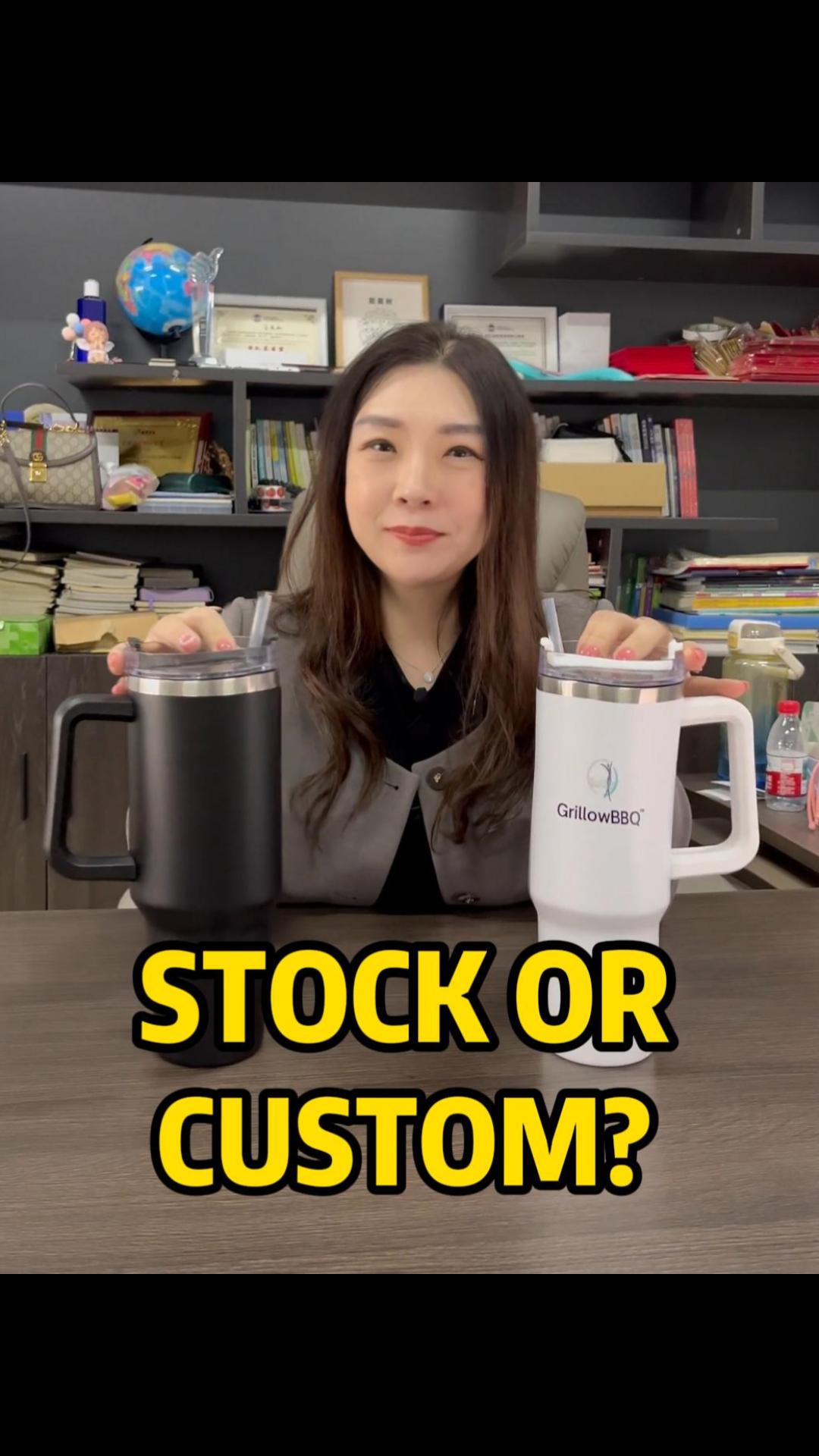
Stock Products vs. Custom Orders: Which Is Better for Sourcing From China?
Two products may look almost identical, but the sourcing plans behind them can be completely different.
One buyer may need ready-stock products for a small market test. Another may need a customized version with a brand logo, exclusive colors, and retail packaging.
That is why the first question should not always be:
“How much is this product?”
A better first question is:
“Do you need stock products or a custom order?”
The answer affects supplier selection, minimum order quantity, price, samples, packaging, lead time, and quality confirmation.
What Is a Stock Product?
A stock product is an existing product that a supplier already produces or keeps available for sale.
The product normally uses the supplier’s standard:
Design
Material
Color options
Dimensions
Packaging
Components
Product specifications
Depending on availability, stock products may be prepared faster than customized products.
They are often suitable for buyers who want to test a product before investing in a larger or more customized order.
What Is a Custom Order?
A custom order changes one or more parts of the standard product.
Customization may include:
Adding a logo
Changing colors
Adjusting product dimensions
Modifying materials
Changing product functions
Creating custom retail packaging
Adding labels or barcodes
Printing instructions
Developing a new design
The more changes a buyer requests, the more supplier coordination, sample confirmation, production preparation, and quality verification may be required.
What Is the Main Difference Between Stock and Custom Sourcing?
The main difference is not only the appearance of the product.
It is the complete sourcing process.
| Sourcing factor | Stock products | Custom orders |
|---|---|---|
| Product design | Existing design | Modified or new design |
| Order quantity | May be more flexible | Often requires a higher MOQ |
| Lead time | Usually shorter when stock is available | Usually longer |
| Sample requirements | Existing sample may be available | Customized sample may be required |
| Branding | Limited or unavailable | Logo and brand elements may be added |
| Packaging | Standard packaging | Custom packaging may be developed |
| Upfront cost | Usually lower | May include sample, printing, mold, or setup costs |
| Product control | Limited | Greater control over specifications |
| Market testing | Often more suitable | Better after requirements are validated |
Actual conditions vary by product and supplier, so buyers should confirm each project individually.
When Should Buyers Choose Stock Products?
Stock products can be a practical choice when the buyer wants to:
Test a new product
Start with a smaller quantity
Receive products sooner
Reduce initial investment
Compare market demand
Avoid development costs
Add several products to one order
Replenish inventory quickly
For a new seller or a business entering a new category, stock sourcing can provide a lower-risk starting point.
The buyer can first observe:
Customer response
Sales volume
Return rate
Product reviews
Suitable selling price
Reorder potential
After the product has been validated, customization can be considered for later orders.
What Are the Limitations of Stock Products?
Stock sourcing offers speed and flexibility, but buyers may have less control over the final product.
Possible limitations include:
Limited color choices
Standard product dimensions
Standard materials
No exclusive design
Limited logo options
Existing packaging only
Unstable stock availability
Other sellers offering the same product
A supplier may have stock today but not have the same quantity or color available when the buyer reorders.
Buyers should therefore confirm availability before relying on a stock product for long-term supply.
When Should Buyers Choose Custom Orders?
Custom sourcing is more suitable when the buyer needs to:
Build a recognizable brand
Add a logo
Develop exclusive packaging
Match specific brand colors
Adjust product dimensions
Improve product functions
Meet market-specific requirements
Differentiate the product from competitors
Build a long-term product line
Customization can create stronger brand consistency and a more controlled customer experience.
However, it requires clearer specifications and a more structured sourcing process.
Does Customization Always Mean Developing a New Product?
No.
Customization can range from simple changes to complete product development.
Light Customization
This may include:
Logo printing
Existing color selection
Custom label
Barcode
Packaging sticker
Printed insert
Light customization may require less time and a lower minimum quantity than a completely new design.
Moderate Customization
This may include:
Custom colors
Modified dimensions
Different accessories
New packaging
Material adjustments
Small structural changes
These changes may require new samples and more detailed confirmation.
Full Custom Development
This may include:
A new product structure
New molds
New technical design
Unique materials
New product functions
Completely original packaging
Full development normally requires a larger budget, a longer timeline, and closer cooperation with the supplier.
Why Is Price Not the Only Question?
A stock product and a customized product should not be compared only by unit price.
The total sourcing cost may also include:
Sample costs
Logo printing
Packaging development
Label printing
Artwork preparation
Mold or tooling fees
Quality inspection
Additional supplier setup
Longer lead time
Higher minimum order quantity
Certification requirements
International shipping
A customized product may have a higher initial cost but provide better branding and long-term differentiation.
A stock product may have a lower entry cost but offer less control and exclusivity.
The better choice depends on the buyer’s business stage.
How Does MOQ Differ Between Stock and Custom Orders?
Stock products may offer more flexible quantities because the product already exists.
However, stock does not automatically mean no MOQ.
The supplier may still set requirements based on:
Quantity per model
Quantity per color
Carton quantity
Packaging method
Current inventory
Custom orders usually require a larger MOQ because the supplier may need to prepare:
Custom printing
Special materials
Packaging
Color matching
Production setup
New components
Buyers should confirm whether the stated MOQ applies to:
Total order quantity
Each color
Each model
Each logo
Each packaging design
This distinction can significantly change the size of the required order.
How Does Lead Time Differ?
Stock products can often be prepared faster when the required quantity is available.
However, the supplier may still need time for:
Quantity confirmation
Product checking
Labeling
Repacking
Warehouse delivery
Consolidation
Custom orders usually require additional time for:
Confirming product specifications
Preparing artwork
Making samples
Reviewing and approving samples
Preparing materials and packaging
Completing the order
Inspecting finished products
Arranging shipment
Buyers should calculate the complete timeline rather than only asking for the supplier’s production time.
Why Are Samples Important for Custom Orders?
A custom sample helps confirm whether the supplier correctly understands the buyer’s requirements.
The buyer may need to check:
Logo size and position
Product color
Product dimensions
Materials
Basic functions
Printing quality
Packaging structure
Labels and barcodes
Overall appearance
Written instructions and artwork are important, but the physical sample provides a clearer reference.
Once approved, the sample and confirmed specifications can be used when checking the finished products before shipment.
Can Buyers Customize Only the Packaging?
Yes.
Some buyers keep the standard product but develop customized packaging.
This can be a useful middle option between stock sourcing and full product customization.
Packaging customization may include:
Brand logo
Custom box
Printed sleeve
Product label
Barcode
Instruction card
Thank-you card
Language changes
Retail information
This approach may help improve brand presentation without changing the actual product.
However, custom packaging can still affect MOQ, price, lead time, shipping volume, and supplier selection.
Which Option Is Better for New Sellers?
For many new sellers, stock sourcing provides a more practical way to start.
It allows them to test:
Whether customers want the product
Which color sells better
What price the market accepts
Whether the packaging is suitable
Whether the product creates returns
Whether repeat purchasing is likely
After collecting real market feedback, the buyer can decide which parts of the product should be customized.
This reduces the risk of investing in custom packaging or large production quantities before demand has been proven.
Which Option Is Better for Established Brands?
Established brands may benefit more from customization when they already understand:
Their target customer
Required product specifications
Expected order quantity
Suitable selling price
Packaging standards
Brand positioning
Reorder frequency
Customization can help the brand create a more consistent product range and reduce direct product comparison with competitors.
However, even established buyers may use stock products when testing a new category or responding to a short selling season.
Can Buyers Start With Stock and Customize Later?
Yes.
This is often a practical sourcing strategy.
A buyer may follow these stages:
Stage 1: Stock Product Test
Purchase a smaller quantity of an existing product and test market demand.
Stage 2: Product Adjustment
Use customer feedback to identify necessary improvements.
Stage 3: Light Customization
Add a logo, label, or custom packaging.
Stage 4: Deeper Customization
Adjust colors, dimensions, materials, or functions after sales become more predictable.
This staged approach helps reduce inventory and development risks.
What Should Buyers Confirm for a Stock Order?
Before ordering stock products, buyers should confirm:
Current available quantity
Available colors and models
Product dimensions
Material
Packaging
Quantity per carton
Product condition
Preparation time
Whether the same product can be reordered
Whether mixed colors or models are allowed
Whether labels can be added
Stock availability can change quickly, so the buyer should not assume that a product shown earlier is still available in the same quantity.
What Should Buyers Confirm for a Custom Order?
For custom orders, buyers should clearly confirm:
Product specifications
Logo file
Logo position and size
Product colors
Material
Dimensions
Packaging design
Label and barcode information
Sample requirements
MOQ
Unit price
Additional setup costs
Lead time
Quality standards
Destination-market requirements
Important details should be documented rather than agreed only through informal messages.
How Should Buyers Choose Between Stock and Custom?
A buyer can begin with five questions:
1. Is the Product Already Proven?
When demand is uncertain, stock products can provide a safer starting point.
2. How Important Is Branding?
If brand identity and product differentiation are essential, customization may be more suitable.
3. What Quantity Can the Business Support?
The buyer should compare the supplier’s MOQ with realistic sales and inventory capacity.
4. How Quickly Are the Products Needed?
Stock sourcing may be better for urgent or seasonal requirements.
5. How Much Development Risk Is Acceptable?
Custom orders require more time, confirmation, and upfront investment.
The best sourcing plan should match the buyer’s actual business needs, not simply the most attractive product photo or lowest quotation.
How Can a Sourcing Company Help?
A sourcing company can help buyers compare stock and custom options based on:
Required quantity
Target market
Sales channel
Budget
Timeline
Branding requirements
Packaging
Product specifications
Supplier capabilities
Depending on the project, support may include:
Searching for stock products
Comparing suppliers
Confirming current inventory
Checking customization options
Collecting samples
Confirming MOQ and lead time
Reviewing packaging
Inspecting finished products
Consolidating multiple orders
Coordinating worldwide shipping
The goal is not to push every buyer toward customization.
The goal is to identify the sourcing plan that best fits the buyer’s current stage.
Conclusion
Stock products and custom orders are not simply two versions of the same product.
They involve different quantities, timelines, costs, supplier requirements, packaging options, and sourcing risks.
Stock sourcing is often better for faster purchasing, smaller tests, and lower initial investment.
Custom sourcing is more suitable for branding, differentiation, and long-term product development.
The right choice depends on what the buyer needs now—not only what the product looks like.
About Youshow
Youshow is a Yiwu-based sourcing company with 18 years of experience helping global buyers source products from China.
Our services include:
Stock product sourcing
Small-quantity and mixed-product sourcing
Supplier comparison and evaluation
Sample collection
OEM and ODM customization
Custom packaging coordination
Finished-product quality inspection
Export certification support
Order consolidation
Worldwide shipping
We help importers, wholesalers, retailers, Amazon sellers, and ecommerce businesses simplify procurement and reduce sourcing risks.
Whether a buyer needs ready-stock products for market testing or a customized product for long-term brand development, our team helps compare suppliers, quantities, packaging, lead times, and sourcing requirements before the order is confirmed.