
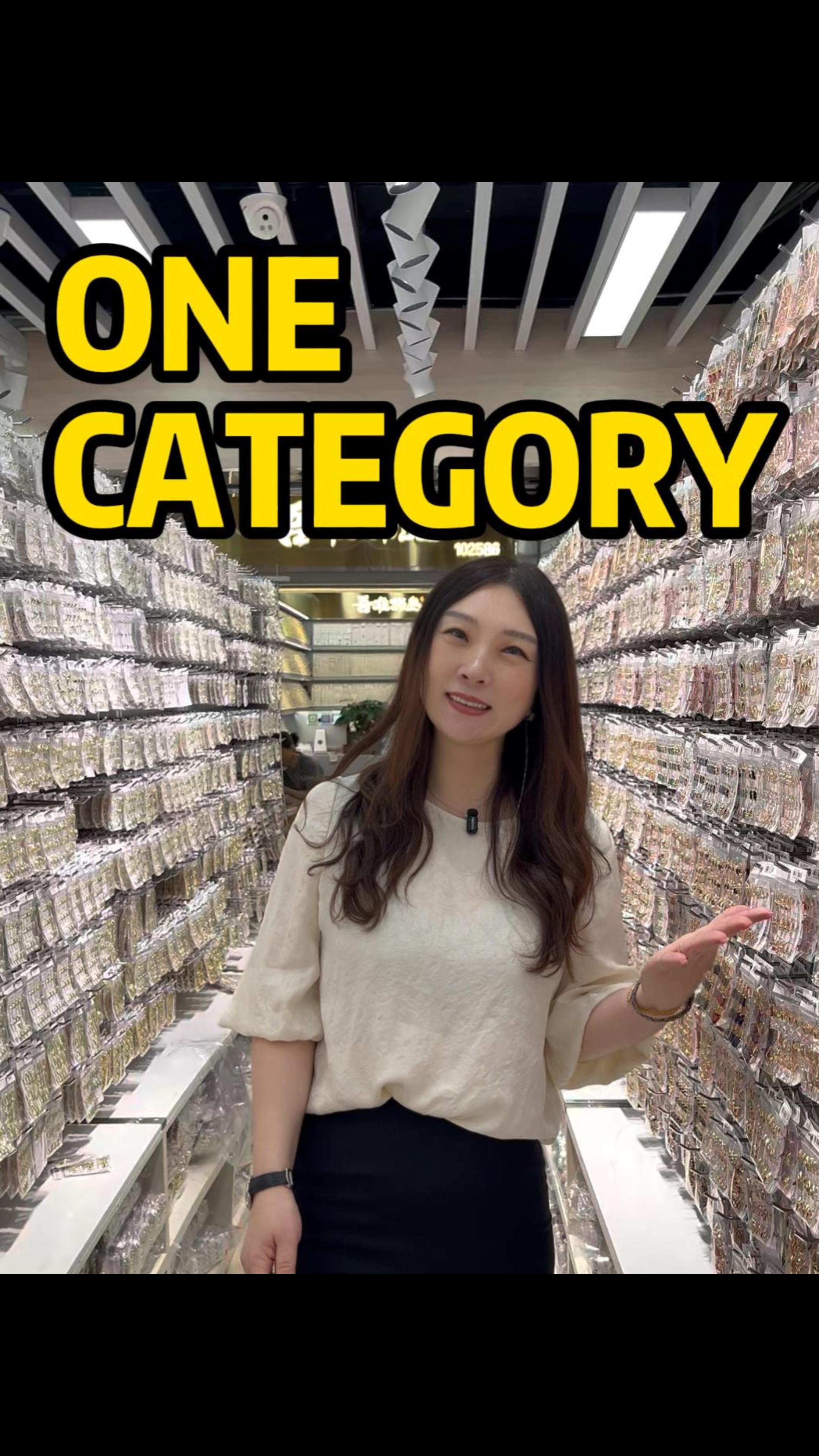
Can You Source Multiple Product Categories From Yiwu?
Many overseas buyers do not source only one type of product.
A retailer may need household products, seasonal items, gifts, accessories, and packaging at the same time. An ecommerce seller may want to test several categories before deciding which products to scale.
Managing all these products through separate factories can quickly become complicated.
Yiwu provides another option: accessing multiple product categories through one major sourcing hub.
What Products Can Buyers Source From Yiwu?
Yiwu is widely known for its broad range of small commodities and consumer products.
Common sourcing categories include:
- Jewelry and fashion accessories
- Household products
- Kitchen and storage items
- Gifts and promotional products
- Seasonal decorations
- Pet supplies
- Toys and small consumer goods
- Packaging and retail accessories
These are only examples.
The suitable sourcing channel depends on the product, required quantity, quality standard, customization needs, and target market.
Can Buyers Source More Than One Category at a Time?
Yes.
Multi-category sourcing is common for:
- Importers
- Wholesalers
- Retail chains
- Ecommerce businesses
- Gift companies
- Distributors
- New businesses testing different products
Instead of placing one large order in a single category, buyers may source several smaller product groups and combine them into one purchasing plan.
This can help businesses test demand and build a more varied product range.
Why Is Multi-Category Sourcing Difficult?
Finding individual products may be easy, but coordinating several categories creates additional work.
Different products may come from different suppliers, each with its own:
- Minimum order quantity
- Quotation format
- Production or preparation time
- Packaging method
- Quality standard
- Payment terms
- Delivery schedule
Without local coordination, buyers may need to communicate with many suppliers separately.
This increases the risk of missed details, inconsistent packaging, delayed deliveries, and complicated shipping arrangements.
How Does a Sourcing Company Help With Multiple Categories?
A sourcing company can act as one local point of contact for the entire purchasing project.
The process may include:
- Understanding the buyer's category requirements
- Searching for suitable products
- Comparing different suppliers
- Collecting product information and quotations
- Arranging samples
- Confirming order details
- Inspecting finished products
- Consolidating goods from multiple suppliers
- Coordinating international shipping
This allows the buyer to manage several product categories through one sourcing team instead of contacting every supplier individually.
Does One Supplier Usually Provide Every Product?
Not necessarily.
A supplier that specializes in jewelry may not be the right source for home goods. A seasonal-product supplier may not have suitable kitchenware or pet products.
Trying to purchase every category from one supplier may limit product choice or lead to less competitive sourcing options.
A more practical approach is to:
- Select suitable suppliers for each category.
- Manage all suppliers under one sourcing plan.
- Consolidate the finished products before shipping.
The goal is not to force every product through one factory.
The goal is to manage multiple suitable suppliers efficiently.
Can Products From Different Suppliers Be Shipped Together?
In many cases, yes.
Products from different suppliers can be delivered to a consolidation warehouse, where the shipment can be organized before international delivery.
The consolidation process may include:
- Receiving goods from different suppliers
- Confirming quantities
- Checking finished-product condition
- Reviewing labels and packaging
- Organizing cartons
- Measuring shipment volume
- Preparing the combined shipment
Consolidation can simplify logistics and reduce the difficulty of arranging separate international shipments for every supplier.
Whether consolidation reduces the total freight cost depends on the products, shipment volume, destination, and shipping method.
Is Multi-Category Sourcing Suitable for Small Businesses?
It can be especially useful for small and growing businesses.
Instead of investing heavily in one product, buyers can test several categories and use actual market results to guide future purchasing decisions.
Potential advantages include:
- More product-testing opportunities
- Lower dependence on one category
- A broader retail selection
- Greater flexibility when market demand changes
- Gradual scaling after successful products are identified
However, buyers still need to consider supplier MOQs, packaging, inspection requirements, certification, and shipping costs for each category.
What Should Buyers Confirm Before Sourcing Several Categories?
Before beginning a multi-category sourcing project, buyers should clearly define:
- Target product categories
- Expected quantity per item
- Target price range
- Destination country
- Required quality level
- Packaging and labeling needs
- Certification requirements
- Delivery timeline
- Preferred shipping method
The clearer the requirements are, the easier it is to identify appropriate products and suppliers.
Can Products Be Customized?
Many products may support OEM or ODM customization, but the requirements vary by supplier and product.
Customization may include:
- Logos
- Colors
- Product specifications
- Retail packaging
- Labels and barcodes
- Instruction manuals
Customized orders usually have different minimum quantities, prices, sample requirements, and lead times from ready-made products.
Buyers should confirm these details before choosing between stock products and customized production.
Why Does Local Product Search Still Matter?
Online platforms provide a convenient starting point, but they do not always show the full range of available products or suppliers.
Local sourcing support can help buyers:
- Search additional product options
- Compare similar items in person
- Check product details
- Communicate directly with suppliers
- Identify alternative categories
- Find solutions that better match the buyer's order size
This is valuable when the buyer has a product idea but does not yet know the exact model, supplier, or category structure.
How Should Buyers Choose Between Many Product Options?
More choice does not automatically mean better sourcing.
Products should be evaluated based on:
- Suitability for the target market
- Product quality
- Supplier reliability
- Order quantity
- Packaging efficiency
- Shipping cost
- Reorder stability
- Long-term sales potential
A professional sourcing plan should narrow thousands of options into a manageable shortlist based on the buyer's actual business needs.
Conclusion
Buyers do not have to limit a China sourcing project to one product category.
Through Yiwu's broad supplier network, businesses can explore household products, accessories, gifts, seasonal items, pet supplies, and many other consumer-product categories.
The main challenge is not finding more products.
It is selecting suitable products, coordinating different suppliers, checking finished goods, and organizing delivery efficiently.
With local sourcing and consolidation support, overseas buyers can manage multiple product categories through one coordinated purchasing process.
About Youshow
Youshow is a Yiwu-based sourcing company with 18 years of experience helping global buyers source products from China.
Our services include:
- Multi-category product sourcing
- Supplier comparison and evaluation
- Sample collection
- Finished-product quality inspection
- OEM and ODM customization
- Export certification support
- Order consolidation
- Worldwide shipping
We help importers, wholesalers, retailers, Amazon sellers, and ecommerce businesses simplify procurement and reduce sourcing risks.
Whether buyers need one category or several, our team helps search for suitable products, coordinate different suppliers, inspect finished goods, and organize combined shipments from Yiwu.