
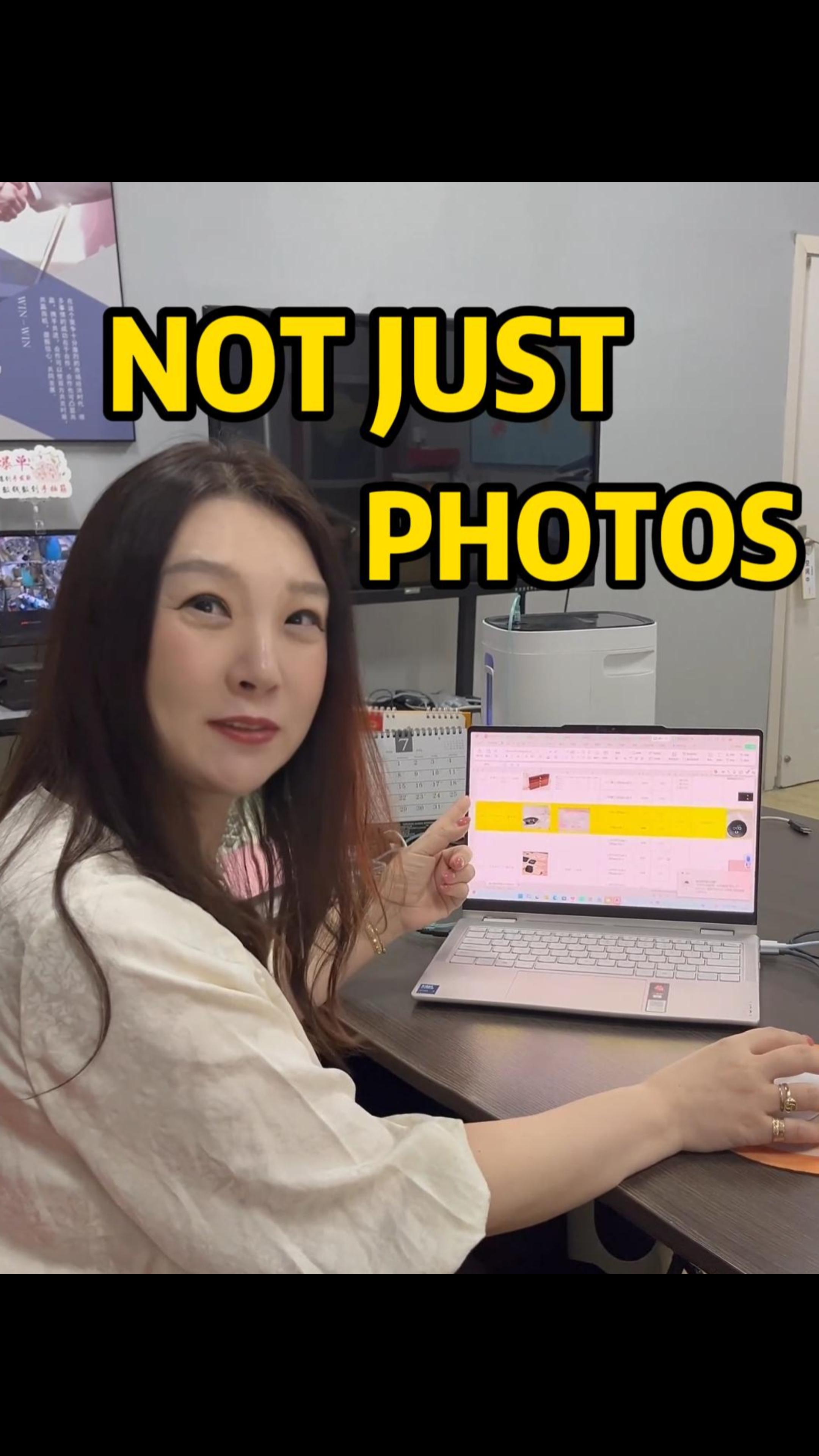
What Should a Sourcing Agent Check Before Recommending a Product?
Taking product photos is easy.
Professional product sourcing requires much more.
After visiting a wholesale market, trade show, showroom, or supplier, a sourcing agent should not immediately send every product photo to the buyer.
The product information first needs to be verified. The sourcing agent should also consider whether the product matches the buyer's market, sales channel, order quantity, timeline, and business model.
The goal is not to show buyers the largest number of products.
The goal is to recommend better-fit options that buyers can evaluate and purchase more efficiently.
Why Are Product Photos Not Enough?
A photo can show the general appearance of a product, but it usually cannot confirm:
- Current price
- Minimum order quantity
- Available colors or models
- Material and dimensions
- Packaging details
- Lead time
- Stock availability
- Customization options
- Supplier reliability
- Export or certification requirements
Two products may look almost identical in photos but have very different quality, prices, packaging, and supplier conditions.
That is why product sourcing should not stop at taking pictures.
What Should Be Checked With the Supplier?
Before adding a product to a buyer's quotation or product shortlist, the sourcing team should confirm the main purchasing information with the supplier.
1. Current Product Price
Market prices can change because of:
- Order quantity
- Material
- Product size
- Packaging
- Color or model
- Customization
- Supplier inventory
- Production schedule
The displayed price in a market or online listing may not be the final price for the buyer's actual requirements.
The sourcing agent should therefore request a quotation based on the expected order quantity and specifications.
2. Minimum Order Quantity
MOQ can determine whether a product is suitable for a particular buyer.
A large wholesaler and a new ecommerce seller may need very different quantities.
The sourcing team should confirm:
- MOQ per product
- MOQ per color or design
- Whether mixed colors are allowed
- Whether mixed models are allowed
- MOQ for custom logos
- MOQ for custom packaging
A good-looking product may not be suitable if the supplier's MOQ is far above the buyer's testing plan.
3. Lead Time
Lead time is especially important for seasonal products, promotions, product launches, and inventory replenishment.
The supplier should confirm:
- Whether the product is currently in stock
- How long sample preparation takes
- How long order preparation or production takes
- Whether customized packaging changes the timeline
- Whether the stated delivery time is realistic
A product with strong sales potential may still be unsuitable if it cannot arrive before the buyer's selling season.
4. Product Specifications
Product details should be confirmed rather than estimated from a photo.
This may include:
- Product dimensions
- Material
- Weight
- Capacity
- Color options
- Components
- Basic functions
- Available models
- Surface finish
- Included accessories
Clear specifications make it easier to compare products from different suppliers accurately.
5. Packaging Information
Packaging affects product protection, presentation, shipping volume, and landed cost.
The sourcing agent should check:
- Individual packaging
- Quantity per carton
- Carton dimensions
- Gross and net weight
- Retail packaging options
- Label and barcode support
- Whether custom packaging is available
- Whether the packaging is suitable for the target sales channel
For online sellers, packaging size can have a direct impact on shipping and fulfillment costs.
Is the Product Suitable for the Buyer's Sales Channel?
A product that works well in a physical wholesale store may not automatically be suitable for ecommerce.
Before recommending a product, the sourcing agent should consider how the buyer plans to sell it.
For Ecommerce Sales
Relevant questions include:
- Is the product easy to demonstrate online?
- Can customers understand its value quickly?
- Is it expensive to ship?
- Is the packaging suitable for individual delivery?
- Is the product likely to break during transportation?
- Are the product dimensions suitable for fulfillment?
- Could the product create frequent returns?
For Wholesale Buyers
The sourcing team may focus more on:
- Price stability
- Bulk availability
- Product assortment
- Reorder capability
- Supplier capacity
- Packaging for distribution
- Consistency between batches
For Retail Stores
Relevant factors may include:
- Shelf presentation
- Retail packaging
- Product size
- Barcode requirements
- Display options
- Product variety
- Seasonal sales periods
The same product should be evaluated differently depending on where and how it will be sold.
Does the Product Have Seasonal Potential?
Seasonality can create opportunities, but it can also create inventory risk.
Before recommending a seasonal product, buyers should consider:
- When the product will be sold
- How long production and shipping will take
- Whether the selling window is short
- Whether the product can still sell after the season
- Whether the supplier can deliver repeat orders quickly
- Whether the buyer can test a smaller quantity first
Holiday products, summer products, winter accessories, and event-related products often require earlier planning.
Finding the product at the market is not enough. The complete timeline must still fit the sales opportunity.
Is the Supplier Suitable for the Product?
A sourcing agent should evaluate the supplier behind the product, not only the product itself.
Important factors may include:
- Product consistency
- Communication efficiency
- Supply capability
- Order flexibility
- Delivery performance
- Packaging experience
- Customization support
- Response when problems occur
A product may look promising, but an unreliable supplier can make it difficult to reorder, maintain quality, or meet delivery schedules.
Product selection and supplier selection must therefore be considered together.
Why Should Products Be Filtered Before Sending Them to Buyers?
Sending hundreds of unverified photos may appear helpful, but it creates more work for the buyer.
The buyer then has to determine:
- Which products are actually available
- Which prices are accurate
- Which suppliers can accept the required quantity
- Which items fit the target market
- Which products can arrive on time
- Which options are worth sampling
A professional sourcing team should complete part of this evaluation before presenting the options.
This makes the buyer's decision process faster and more focused.
What Should Be Included in a Product Quote Sheet?
After the product and supplier information have been checked, suitable options can be organized into a quotation sheet.
A useful product quote sheet may include:
- Product photo
- Product name or item number
- Material
- Dimensions
- Available colors
- Minimum order quantity
- Unit price
- Packaging
- Units per carton
- Estimated lead time
- Customization options
- Supplier notes
- Sourcing recommendation
For some projects, it may also include:
- Estimated shipment volume
- Sample cost
- Certification considerations
- Seasonal notes
- Online-sales suitability
- Alternative product options
A structured quotation sheet helps buyers compare products based on the same criteria.
Why Is a Shortlist Better Than a Large Photo Collection?
A shortlist is not simply a smaller product catalog.
It should represent products that have already passed an initial review.
A useful shortlist may prioritize products based on:
- Buyer requirements
- Target price
- Expected quantity
- Target market
- Sales channel
- Shipping efficiency
- Supplier suitability
- Delivery timeline
- Long-term reorder potential
Ten relevant and verified options can be more valuable than hundreds of unorganized photos.
The purpose of sourcing is not to create more choices.
It is to help the buyer make a better choice.
What Happens After the Buyer Selects a Product?
After the buyer selects one or more products from the quotation sheet, the next steps may include:
- Confirming detailed specifications
- Requesting samples
- Comparing supplier options
- Reviewing packaging
- Confirming customization requirements
- Finalizing price and quantity
- Confirming the delivery schedule
- Placing the order
- Following order progress
- Inspecting finished products before shipment
The exact process depends on whether the buyer chooses stock products, small trial orders, or customized production.
Can a Sourcing Agent Guarantee That a Product Will Sell?
No responsible sourcing company can guarantee market sales.
Product performance depends on many factors, including:
- Market demand
- Selling price
- Competition
- Marketing
- Product positioning
- Customer experience
- Sales channel
- Timing
A sourcing agent can help buyers collect product information, identify purchasing risks, compare suppliers, and evaluate whether a product appears suitable for the stated requirements.
The final commercial decision remains with the buyer.
Clear and realistic recommendations are more valuable than unrealistic sales promises.
How Does Youshow Select Products for Buyers?
After visiting a market, showroom, or exhibition, we do not simply send every photo we take.
Our process may include:
- Reviewing the buyer's sourcing requirements
- Identifying potentially suitable products
- Confirming information with suppliers
- Checking MOQ and lead time
- Reviewing product specifications
- Considering packaging and shipping
- Evaluating supplier suitability
- Assessing whether the product fits the buyer's sales channel
- Adding better-fit options to a structured quotation sheet
This helps buyers spend less time sorting through irrelevant products and more time evaluating practical sourcing options.
Conclusion
Professional product sourcing is not just taking photos.
A useful sourcing process should verify the product, check the supplier, confirm purchasing conditions, consider the target market, and organize suitable options clearly.
The best sourcing agent is not the one who sends the most product photos.
It is the one who helps the buyer understand which products are actually worth considering.
About Youshow
Youshow is a Yiwu-based sourcing company with 18 years of experience helping global buyers source products from China.
Our services include:
- Product sourcing
- Market and trade-show product search
- Supplier comparison and evaluation
- Product quotation sheets
- Sample collection
- Finished-product quality inspection
- OEM and ODM customization
- Export certification support
- Order consolidation
- Worldwide shipping
We help importers, wholesalers, retailers, Amazon sellers, and ecommerce businesses simplify procurement and reduce sourcing risks.
Instead of sending buyers unverified product photos, our team confirms key supplier information and organizes better-fit options according to the buyer's market, order quantity, sales channel, and sourcing requirements.