
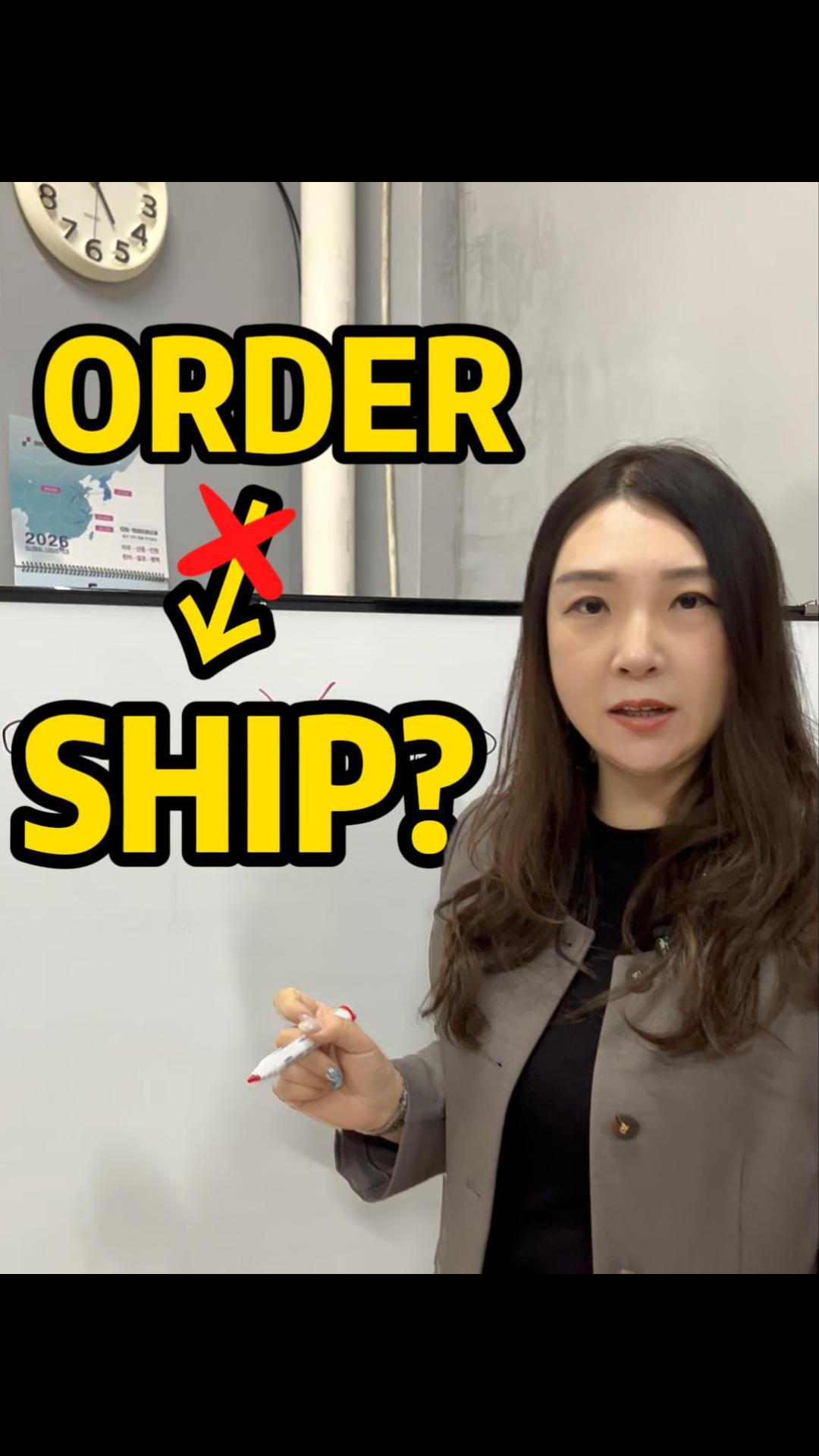
What Happens Before Products Are Shipped From China?
From the buyer's perspective, an order may appear simple:
Place the order, wait for production, and receive the shipment.
In reality, there are several important steps between order confirmation and international shipping.
Product details must be confirmed, suppliers must follow the agreed requirements, finished goods must be inspected, and packaging must be checked before the products are released for shipment.
Good sourcing is much more than moving an order from purchase to delivery.
Is China Sourcing Really Just Order and Ship?
No.
An order does not automatically become a successful shipment after payment is made.
Before goods can be shipped, buyers and suppliers need to confirm several important details, including:
Product specifications
Approved samples
Order quantity
Packaging requirements
Labels and barcodes
Delivery schedule
Inspection standards
Shipping information
If these details are not managed properly, problems may only become visible after production is complete—or after the goods arrive.
Step 1: Confirming the Product Requirements
Before production or order preparation begins, the buyer's requirements should be clearly documented.
This may include:
Product model and design
Size and dimensions
Color and material requirements
Product functions
Order quantity
Logo or customization details
Packaging and labeling instructions
Clear confirmation reduces misunderstandings between buyers and suppliers.
A product link or photo alone is often not enough to define the complete order requirements.
Step 2: Reviewing and Approving Samples
Samples help buyers confirm whether the product matches their expectations before moving forward.
The sample review may focus on:
Product appearance
Size and structure
Function
Workmanship
Color accuracy
Packaging presentation
Custom logo or printing
However, approving one sample does not mean the final order should be accepted without further checks.
The approved sample should become a clear reference for the finished goods.
Step 3: Confirming the Right Supplier
Different suppliers may offer similar-looking products, but their capabilities can be very different.
Before confirming a supplier, buyers should consider:
Product consistency
Production or supply capability
Communication efficiency
Delivery reliability
Packaging experience
Export experience
Ability to follow customization requirements
The right supplier should match the buyer's product standards, order volume, timeline, and target market.
Finding the product is only the beginning. The supplier behind the product determines whether the order can be delivered reliably.
Step 4: Following the Order Progress
After the supplier is confirmed, the order still needs active follow-up.
Important information may include:
Whether product details have been confirmed
Whether packaging materials are ready
Whether customized labels have been approved
Whether the order remains on schedule
Whether any changes or delays have occurred
Regular follow-up gives buyers time to respond before a small issue becomes a major delivery problem.
Without progress management, buyers may only discover a delay when the expected shipping date arrives.
Step 5: Inspecting Finished Products
Before shipment, finished products should be checked against the agreed requirements.
Our finished-product inspection process may include:
Appearance and workmanship
Order quantity
Product dimensions
Basic functions
Labels and barcodes
Packaging condition
Carton information
Final pre-shipment confirmation
The inspection requirements depend on the product and the buyer's standards.
The goal is to identify visible or measurable problems before the goods leave China.
Step 6: Checking Packaging and Labels
Packaging is not only used to protect the product.
It may also affect:
Retail presentation
Warehouse handling
Marketplace compliance
Customer experience
Transportation safety
Before shipment, buyers may need to confirm:
Product packaging
Inner and outer carton condition
Shipping marks
Product labels
Barcodes
Quantity per carton
Customized inserts or instructions
A correct product with incorrect packaging can still create serious problems for importers and retailers.
Step 7: Preparing the Shipment
After the products, quantities, labels, and packaging have been confirmed, the order can move to shipping preparation.
Depending on the project, this may include:
Consolidating goods from different suppliers
Confirming carton quantities
Measuring shipment volume
Preparing shipping information
Selecting an appropriate shipping method
Coordinating warehouse and logistics schedules
For mixed-product orders, consolidation can simplify shipment management and reduce the complexity of working with multiple suppliers.
Why Are These Steps Important?
Every step between order and shipment helps reduce a different type of risk.
For example:
Sample confirmation reduces product misunderstandings
Supplier evaluation reduces delivery and consistency risks
Order follow-up reduces unexpected delays
Finished-product inspection identifies problems before shipping
Packaging checks reduce logistics and labeling issues
Shipment coordination improves delivery efficiency
Skipping these steps may save time initially, but it can create much higher costs later.
What Can Go Wrong Without Order Management?
Without proper follow-up and inspection, buyers may experience:
Finished products that differ from the sample
Incorrect quantities
Wrong dimensions or functions
Missing labels
Damaged or unsuitable packaging
Delayed shipping
Products from different suppliers arriving separately
Problems discovered only after delivery
For overseas buyers, resolving these issues after shipment is usually more difficult and expensive.
How Does a Sourcing Company Help?
A sourcing company acts as the buyer's local coordination partner in China.
Depending on the project, the sourcing team may help with:
Clarifying product requirements
Comparing suppliers
Collecting and reviewing samples
Confirming order details
Following delivery progress
Inspecting finished products
Checking labels and packaging
Consolidating multiple orders
Coordinating international shipping
The value of a sourcing company is not simply placing an order.
It is managing the important details between the buyer's request and the final shipment.
Is Quality Inspection the Final Step?
Quality inspection is one of the final checks, but it should not be treated as the only form of risk control.
Many sourcing problems begin earlier:
Requirements were not clearly confirmed
The wrong supplier was selected
The sample was not used as a reference
Packaging instructions were incomplete
Production or order progress was not followed
A strong sourcing process manages these details before the final inspection takes place.
Conclusion
The distance between “order” and “ship” contains many important decisions.
Successful sourcing requires more than purchasing a product and arranging transportation.
It requires clear product confirmation, suitable supplier selection, order follow-up, finished-product inspection, packaging checks, and shipping coordination.
When these steps are managed properly, buyers gain better control over quality, delivery, and overall sourcing risk.
Good sourcing is not just about shipping products.
It is about making sure the right products are ready to ship.
About Youshow
Youshow is a Yiwu-based sourcing company with 18 years of experience helping global buyers source products from China.
Our services include:
Product sourcing
Supplier comparison and evaluation
Sample collection
Order follow-up
Finished-product quality inspection
OEM and ODM customization
Export certification support
Order consolidation
Worldwide shipping
We help importers, wholesalers, retailers, Amazon sellers, and ecommerce businesses simplify procurement and reduce sourcing risks.
From confirming product requirements and selecting suppliers to inspecting finished goods and coordinating shipment, our team manages the important steps between order confirmation and final delivery.