
How to Consolidate Orders From Multiple Suppliers in China
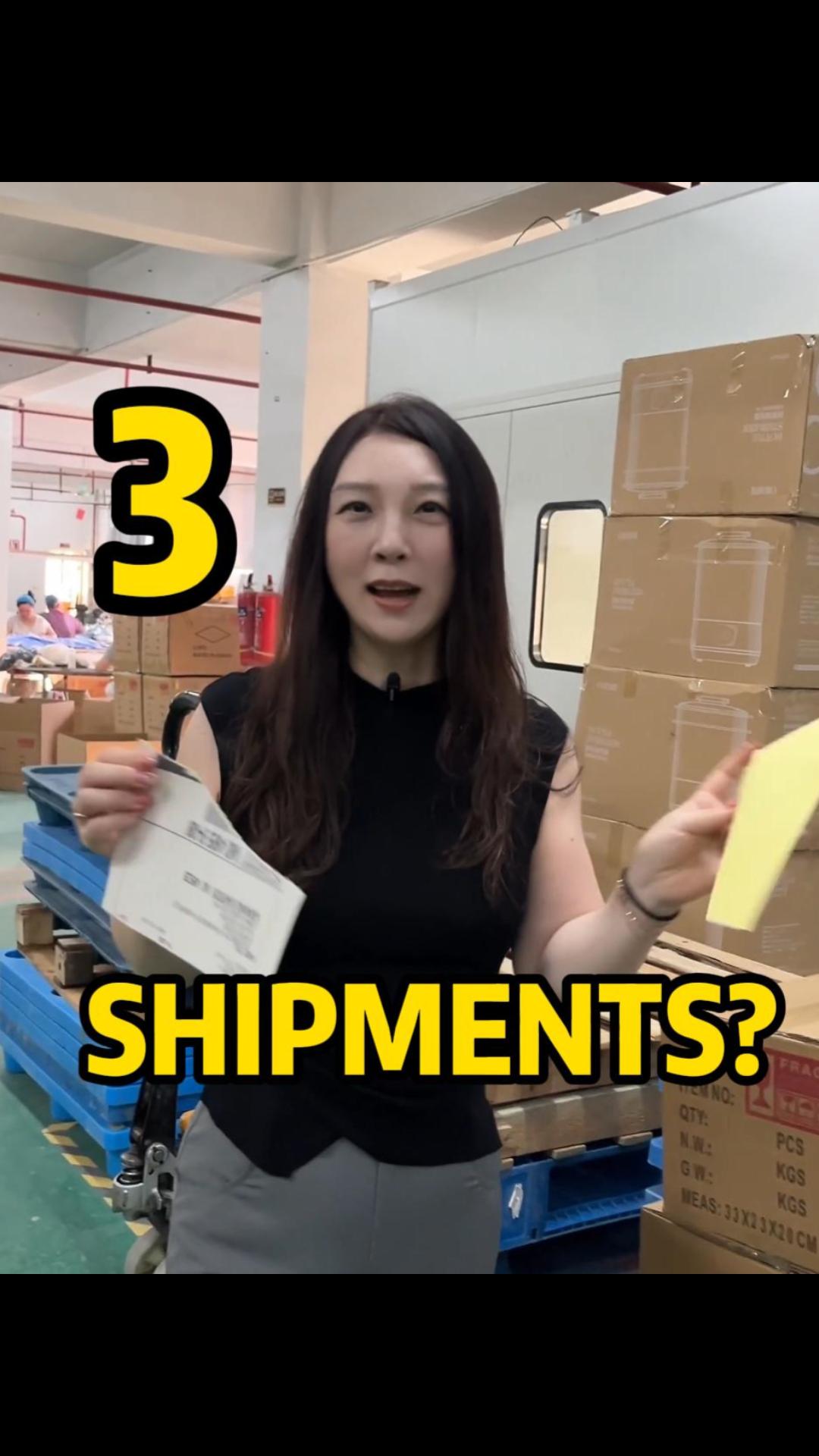
Buying products from three suppliers does not necessarily mean managing three separate international shipments.
For importers, wholesalers, retailers, and ecommerce businesses sourcing several products from China, coordinating multiple suppliers can quickly become complicated.
Each supplier may have different:
Delivery schedules
Carton quantities
Packaging methods
Product information
Domestic shipping arrangements
Instead of asking every supplier to ship internationally on their own, buyers can first send the goods to one consolidation warehouse in China.
The products can then be received, sorted, checked, organized, and prepared for one combined shipment.
What Is Order Consolidation?
Order consolidation means collecting products from multiple suppliers at one warehouse before arranging international shipment.
For example, a buyer may purchase:
Kitchen products from Supplier A
Storage products from Supplier B
Pet products from Supplier C
Instead of arranging three separate international shipments, all three suppliers deliver their goods to the same warehouse in China.
The warehouse can then organize the products and prepare them for one consolidated shipment.
The basic process is:
Multiple suppliers → One warehouse → Receiving and checking → Consolidation → One shipment
Why Do Buyers Source From Multiple Suppliers?
One supplier rarely specializes in every product category.
A kitchenware factory may not be the best supplier for pet products.
A storage-products supplier may not offer suitable gift items.
That is why professional sourcing often involves choosing different suppliers for different products.
Buyers may work with multiple suppliers because they want:
Better product quality
More competitive options
Different product categories
Smaller quantities from several suppliers
Specialized factories
Different customization capabilities
The challenge begins when all those separate orders need to be shipped overseas.
What Happens When Every Supplier Ships Separately?
If three suppliers arrange three separate international shipments, the buyer may need to manage:
Three shipment schedules
Three sets of tracking information
Multiple freight arrangements
Separate shipping documents
Multiple receiving dates
Different carton information
Separate communication with each supplier
For a buyer managing many products, this can create unnecessary complexity.
The number of shipments can become even larger when a sourcing project involves five, ten, or more suppliers.
How Does Consolidation Work?
A typical consolidation process can include several steps.
Step 1: Suppliers Send Their Goods to One Warehouse
After the orders are ready, each supplier sends the products to the designated consolidation warehouse in China.
The warehouse records which goods belong to:
Which buyer
Which supplier
Which order
Which product category
Clear order identification is important when several suppliers are delivering goods at the same time.
Step 2: The Warehouse Receives the Goods
When cartons arrive, the warehouse receives and records them.
Depending on the project, basic receiving information may include:
Supplier name
Number of cartons
Product type
Delivery date
Order reference
Visible carton condition
This creates a central receiving point instead of requiring the buyer to coordinate every supplier separately.
Step 3: Products Are Sorted by Order and SKU
Goods from different suppliers need to remain clearly separated and identifiable.
The warehouse may sort products according to:
Supplier
Product
SKU
Color
Model
Buyer order
This is especially important for buyers sourcing several similar products.
Clear sorting helps reduce the risk of mixing products between suppliers or orders.
Step 4: Quantities Are Checked
Before consolidation, the warehouse can confirm whether the received quantities match the order information.
Depending on the agreed scope, this may include checking:
Carton quantity
Product quantity
SKU quantity
Color or model quantity
Missing cartons
Obvious quantity discrepancies
If a discrepancy is discovered while the goods are still in China, it is usually easier to contact the supplier and resolve the issue before international shipment.
Step 5: Finished Products Can Be Inspected
When finished-product inspection is part of the sourcing plan, the products can be checked before they are released for shipment.
Depending on the product and buyer requirements, our finished-product checks may include:
Appearance and workmanship
Quantity
Dimensions
Basic functions
Labels
Packaging
Final pre-shipment confirmation
Different products may require different inspection points.
The purpose is to identify visible or measurable problems before the goods leave China.
Step 6: Packaging and Labels Are Reviewed
Products from different suppliers may arrive with different packaging standards.
Before consolidation, buyers may need to confirm:
Product packaging
Carton condition
Labels
Barcodes
Shipping marks
Quantity per carton
Product identification
For ecommerce, retail, or FBA-bound orders, this step can be especially important.
Step 7: Shipment Volume Is Confirmed
Once the goods are collected, the warehouse has a clearer picture of the complete shipment.
The team can confirm:
Total carton count
Carton dimensions
Gross weight
Shipment volume
Product categories
Packing arrangement
This information helps the buyer and logistics provider determine a suitable shipping plan.
Step 8: The Orders Are Prepared for One Shipment
After the different orders have been received and confirmed, the goods can be prepared for combined international shipping.
Instead of:
Supplier A → International shipment 1
Supplier B → International shipment 2
Supplier C → International shipment 3
the process becomes:
Supplier A + Supplier B + Supplier C → Consolidation warehouse → Combined shipment
This gives the buyer one centralized shipping process to manage.
Does Consolidation Always Reduce Shipping Costs?
Not necessarily.
Consolidation can simplify logistics, but buyers should not assume that combining shipments will always produce a specific freight saving.
The result depends on:
Total shipment volume
Product weight
Carton sizes
Shipping method
Destination
Freight rates
Minimum charges
Customs requirements
Product categories
In some cases, combining several small shipments can improve shipping efficiency.
In other cases, separate shipments may still make sense because of timing, destination, compliance, or inventory requirements.
The correct decision should be based on the actual shipment.
What Are the Main Benefits of Consolidation?
Even when the freight saving is not dramatic, consolidation can provide other operational benefits.
One Point of Coordination
Instead of communicating separately with every supplier about international shipping, the buyer has one warehouse coordinating the combined goods.
Fewer International Shipments to Track
Several China-side supplier deliveries can become one international shipment.
This simplifies shipment monitoring.
Easier Quantity Confirmation
The warehouse can identify missing cartons or quantity differences before all products leave China.
Better Multi-Category Purchasing
Buyers can source products from specialized suppliers rather than forcing every product into one supplier relationship.
Centralized Quality and Packaging Checks
Different products can be checked and organized at one location before shipment.
Who Benefits Most From Order Consolidation?
Consolidation can be particularly useful for:
Importers sourcing several product categories
Wholesalers
Retail businesses
Ecommerce sellers
Amazon sellers
Small businesses testing several products
Buyers working with multiple Chinese suppliers
It is especially relevant when no single factory can provide the complete product range the buyer needs.
Can Small Orders From Different Suppliers Be Combined?
In many cases, yes.
This is one of the reasons consolidation works well with flexible sourcing.
For example, instead of placing one large order for a single product, a buyer may want to test:
100 units of Product A
200 units of Product B
100 units of Product C
Several colors of Product D
If these products come from different suppliers, they may still be delivered to one warehouse and prepared for combined shipping.
The feasibility depends on:
Supplier MOQ
Product requirements
Shipment timing
Destination
Shipping method
But buyers are not necessarily limited to purchasing everything from one factory.
What If One Supplier Is Late?
This is an important issue in consolidation.
A combined shipment may need to wait if one supplier has not delivered its products.
Before deciding whether to wait, the buyer should consider:
How late the supplier is
Whether the goods are urgent
Whether the selling season is approaching
How much of the shipment is already ready
Whether splitting the shipment would make more sense
Consolidation should make sourcing more flexible—not force every order to wait indefinitely.
A sourcing company can help the buyer understand the situation and compare available options.
Should Products From Different Suppliers Be Repacked?
Not automatically.
Repacking may be useful when:
Cartons are damaged
Packaging is inefficient
Labels need to be added
The buyer has specific consolidation requirements
However, unnecessary repacking creates additional labor and may increase the risk of product damage.
The better approach is usually to confirm packaging requirements with suppliers before they deliver the goods.
How Can Packaging Affect Consolidation?
Packaging has a major impact on the final shipment.
Products from different suppliers may arrive in cartons with very different:
Dimensions
Strength
Packing density
Product protection
Labeling
Before international shipment, carton information should be reviewed as part of the overall logistics plan.
For bulky products, packaging optimization may also help reduce unused space.
The goal is to prepare a shipment that is organized, identifiable, and suitable for transportation.
What Information Should Buyers Provide?
When asking a sourcing company to consolidate products, buyers should provide a clear order list.
Useful information includes:
Supplier name
Product name
Product link or photo
Quantity
SKU
Expected delivery date
Packaging requirements
Inspection requirements
Destination country
For example:
| Supplier | Product | Quantity | Delivery Status |
|---|---|---|---|
| Supplier A | Kitchen organizer | 200 | Ready |
| Supplier B | Storage basket | 100 | In transit |
| Supplier C | Pet accessory | 300 | Ready |
This helps the warehouse know what should arrive before the final shipment is prepared.
Can Consolidation Include Products From Suppliers the Buyer Found Independently?
Yes, depending on the sourcing arrangement.
A buyer may already have suppliers in China and only need support with:
Receiving
Quantity confirmation
Finished-product checking
Storage
Consolidation
Shipment preparation
Alternatively, the sourcing company may help find and manage the suppliers as part of the complete procurement process.
The exact service scope should be confirmed before the goods are delivered to the warehouse.
How Does Consolidation Help Buyers Choose Better Suppliers?
Without consolidation, buyers may feel pressure to purchase many different products from one supplier simply to simplify shipping.
But the most convenient supplier is not always the best supplier for every category.
Consolidation allows buyers to separate two decisions:
Which supplier is best for this product?
and
How will all my products be shipped?
This gives buyers more freedom to choose suitable suppliers while still maintaining centralized logistics.
What Should Be Checked Before the Consolidated Shipment Leaves China?
Before final release, a practical check may include:
Orders
All required suppliers have delivered
Expected products have arrived
Quantities have been confirmed
Products
Correct SKU or model
Finished-product checks completed when required
No obvious unresolved issues
Packaging
Cartons are suitable for shipment
Labels are correct
Shipping marks are confirmed
Shipment
Total carton count confirmed
Weight and volume recorded
Destination confirmed
Shipping method confirmed
Relevant documentation prepared
This final step helps connect the separate supplier orders into one coordinated shipment.
How Does a Sourcing Company Help?
A sourcing company can coordinate the process between several suppliers and one final shipment.
Depending on the project, support may include:
Product sourcing
Supplier coordination
Receiving goods from different suppliers
Sorting products
Quantity checking
Finished-product inspection
Label and packaging checks
Warehouse storage
Order consolidation
Shipment preparation
Worldwide shipping coordination
Instead of managing every supplier separately, the buyer can work through one sourcing team in China.
Conclusion
Buying from multiple Chinese suppliers does not always mean managing multiple international shipments.
Products from several suppliers can first be delivered to one consolidation warehouse, where they are received, sorted, checked, and prepared for combined shipping.
This gives buyers more flexibility to choose suitable suppliers for different products while keeping logistics more organized.
Three suppliers can still become one coordinated shipment.
The key is managing everything properly before the goods leave China.
About Youshow
Youshow is a Yiwu-based sourcing company with 18 years of experience helping global buyers source products from China.
Our services include:
Multi-supplier product sourcing
Supplier comparison and coordination
Small-quantity and mixed-product sourcing
Warehouse receiving
Finished-product quality inspection
Packaging and label confirmation
Order consolidation
OEM and ODM customization
Export certification support
Worldwide shipping coordination
We help importers, wholesalers, retailers, Amazon sellers, and ecommerce businesses simplify procurement and reduce sourcing risks.
When buyers purchase products from different suppliers, our Yiwu warehouse can receive and organize the goods, check agreed details, and prepare multiple orders for coordinated shipment.